Remember the old days when you had to think twice before making a phone call? Local calls were cheap and easy. However, if you dialed someone in another city or country, the meter started ticking faster. The bill jumped, not just because you talked longer, but also because you crossed into another network.
Blockchain works in a similar way. Every action, like sending, swapping, or bridging crypto, comes with a cost. In blockchain world, some costs keep your transaction moving inside one blockchain. Others appear when you step outside that network and move to another.
Therefore, understanding the difference is important. This is where gas fees and bridge fees come in.
You can think of it like this:
- Gas fees are your “local call” charges.
- Bridge fees are your “long-distance” costs when connecting different networks.
Both are necessary, and both keep things running. However, they are not the same. Knowing the difference helps you see where your money really goes.
What are Gas Fees?
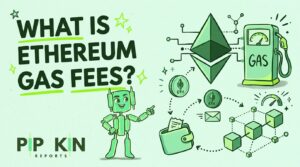
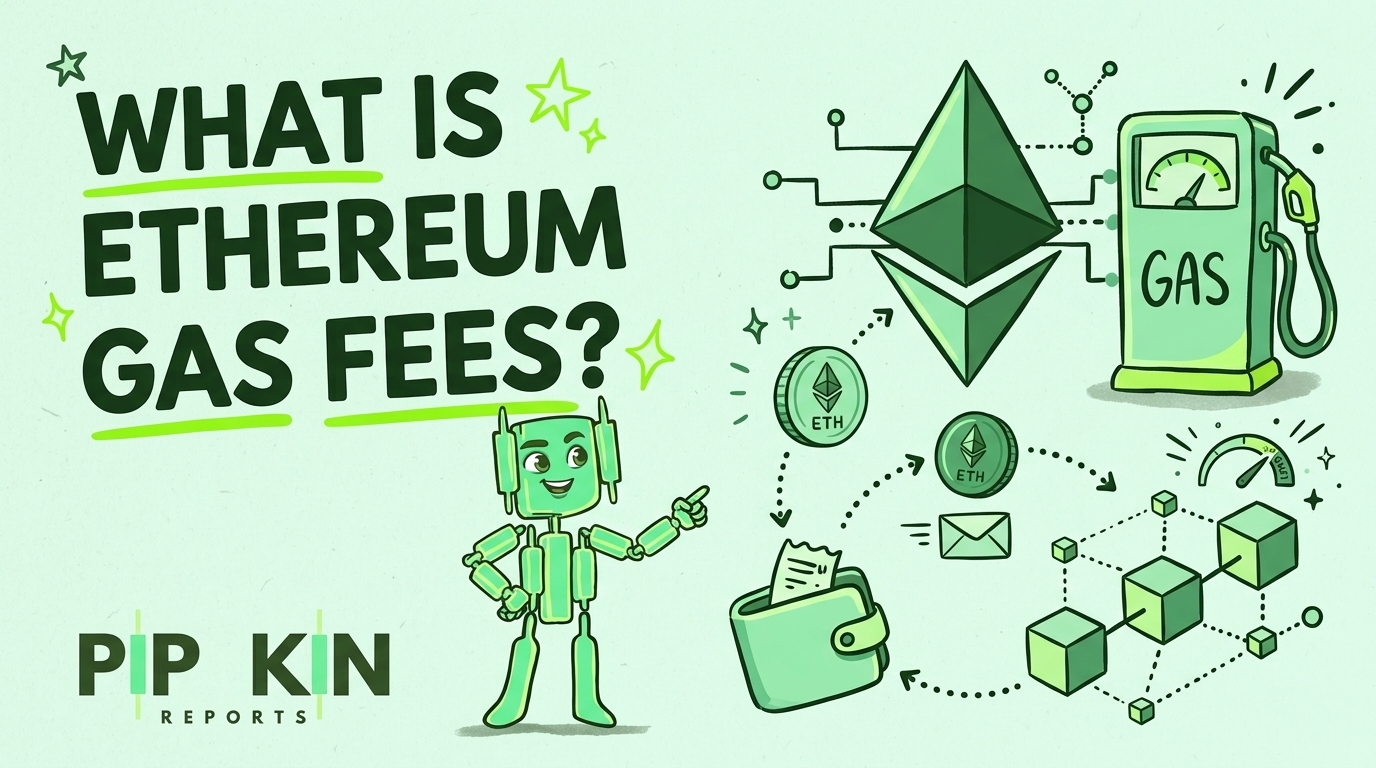
If you’ve ever wondered what is a gas fee in crypto, it is simply the cost you pay to make something happen on a blockchain.
Gas fees are like the fuel of blockchain activity. They are simply the payment to get things done inside a blockchain.
Every blockchain runs on computers called validators or miners. These computers confirm transactions, keep records, and secure the network. And obviously, they don’t do it for free. In other terms, the reward they earn for their work is what we call gas fees.
To further explain, think of gas fees like the old phone company’s charge for connecting your local call. Similarly, the longer you talked, or the more complex the service, the more it cost. In the same way, complex transactions, like running a smart contract or minting an NFT at blockchain, use more gas.
How do Gas Fee work in crypto
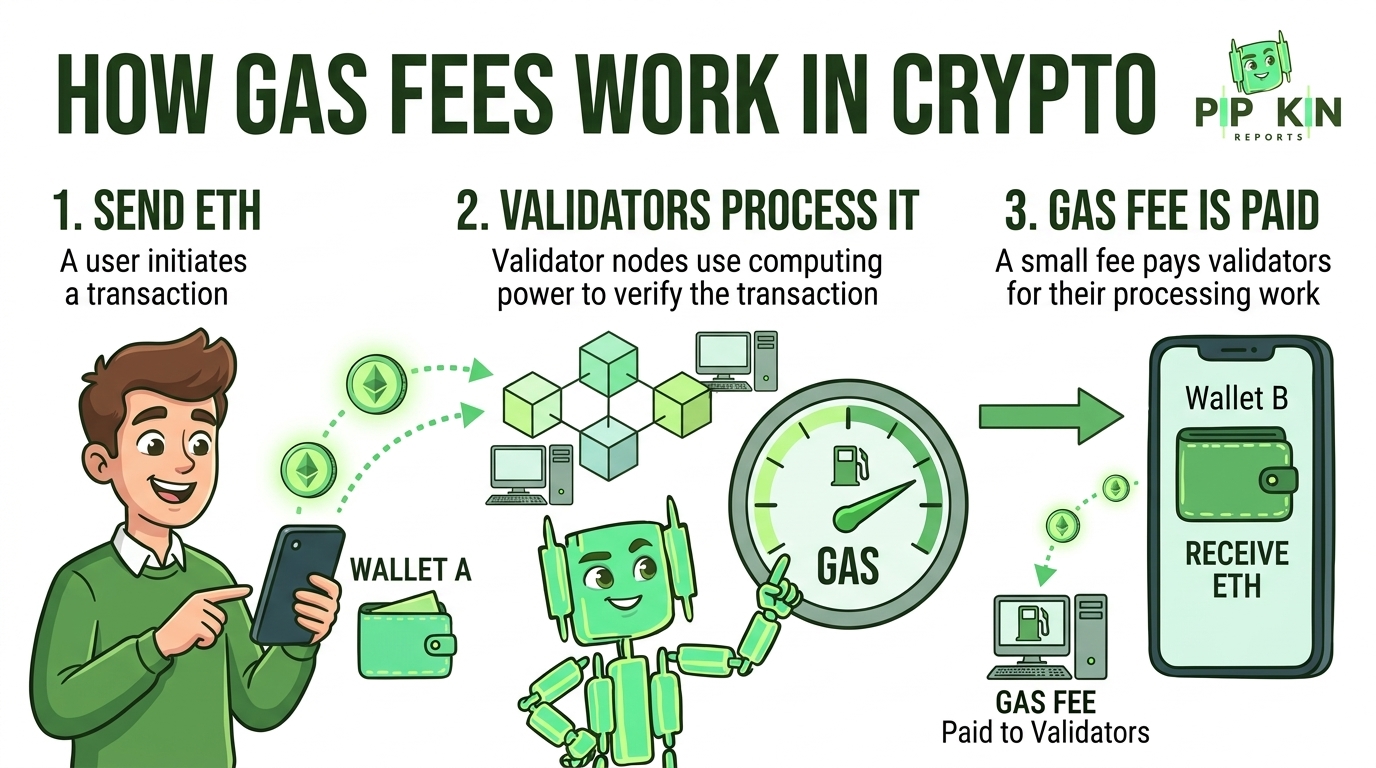
Let us see how it works step by step:
- You make a transaction.
- The blockchain calculates how much computing power it needs.
- You pay gas so your request gets processed.
However, just like phone lines during rush hour, blockchains can also get busy. When that happens, everyone is trying to “make a call” at once, and fees shoot up.
For example, gas fees Ethereum users pay can rise or fall rapidly depending on the network traffic. It means that, the ETH gas price might be just a few cents one moment and several dollars the next. These changes are driven by demand. Therefore, the rule is simple; when more people use the network, the gas price ETH increases.
Moreover, when people discuss ETH gas prices or the gas cryptocurrency price, they are talking about the cost of processing transactions on Ethereum. In short, what are gas fees and Ethereum go hand in hand. Interestingly, Ethereum popularized the idea of paying for network activity with small gas charges.
To explain it simply, cryptocurrency gas is the price you pay to make the blockchain work for you, inside one single network.
What Are Bridge Fees?
Now, imagine walking up to an ATM that doesn’t belong to your bank. You can still withdraw your cash. However, the screen flashes a warning: “Extra service charge applies.” You pay it anyway because you need access to your cash. But instead of going to your bank, that small fee goes to the network that made the connection possible.
Similarly, that is how bridge fees work in crypto.
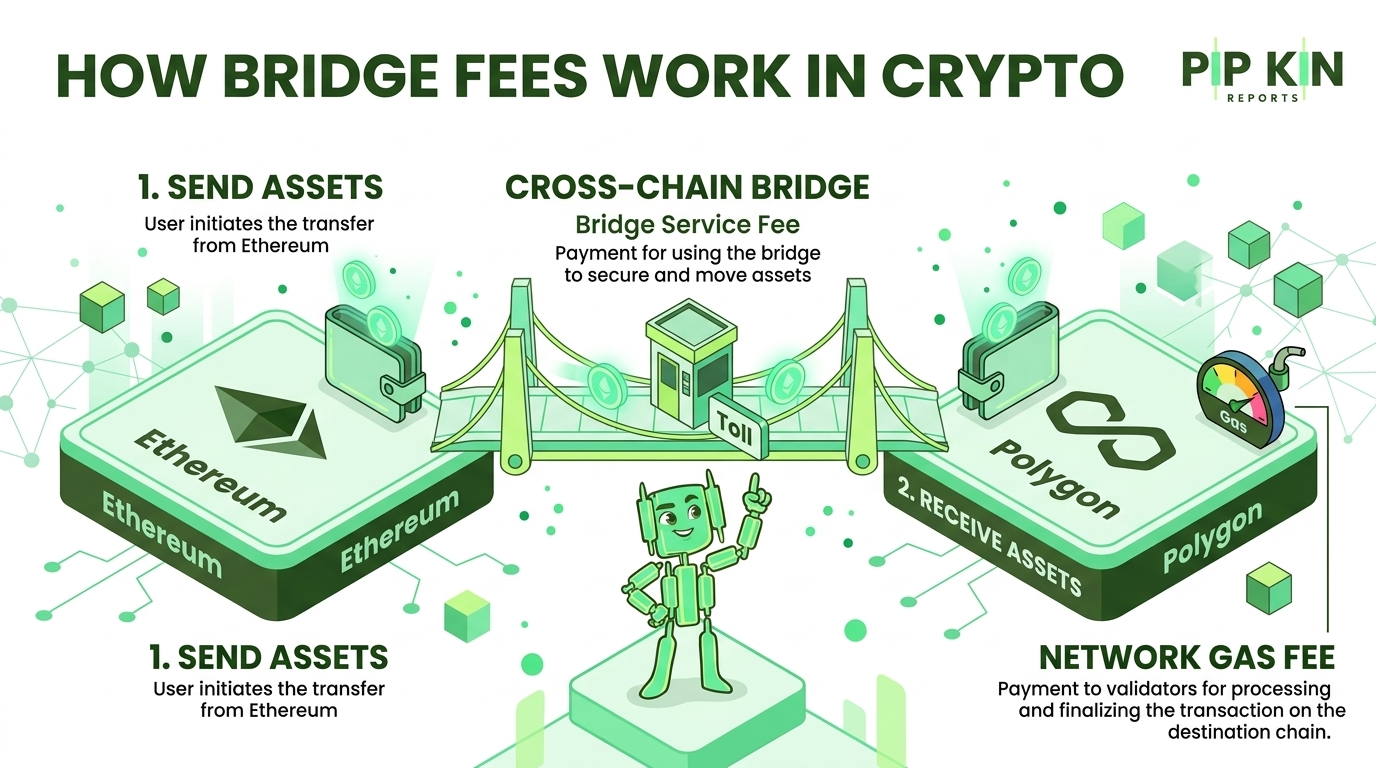
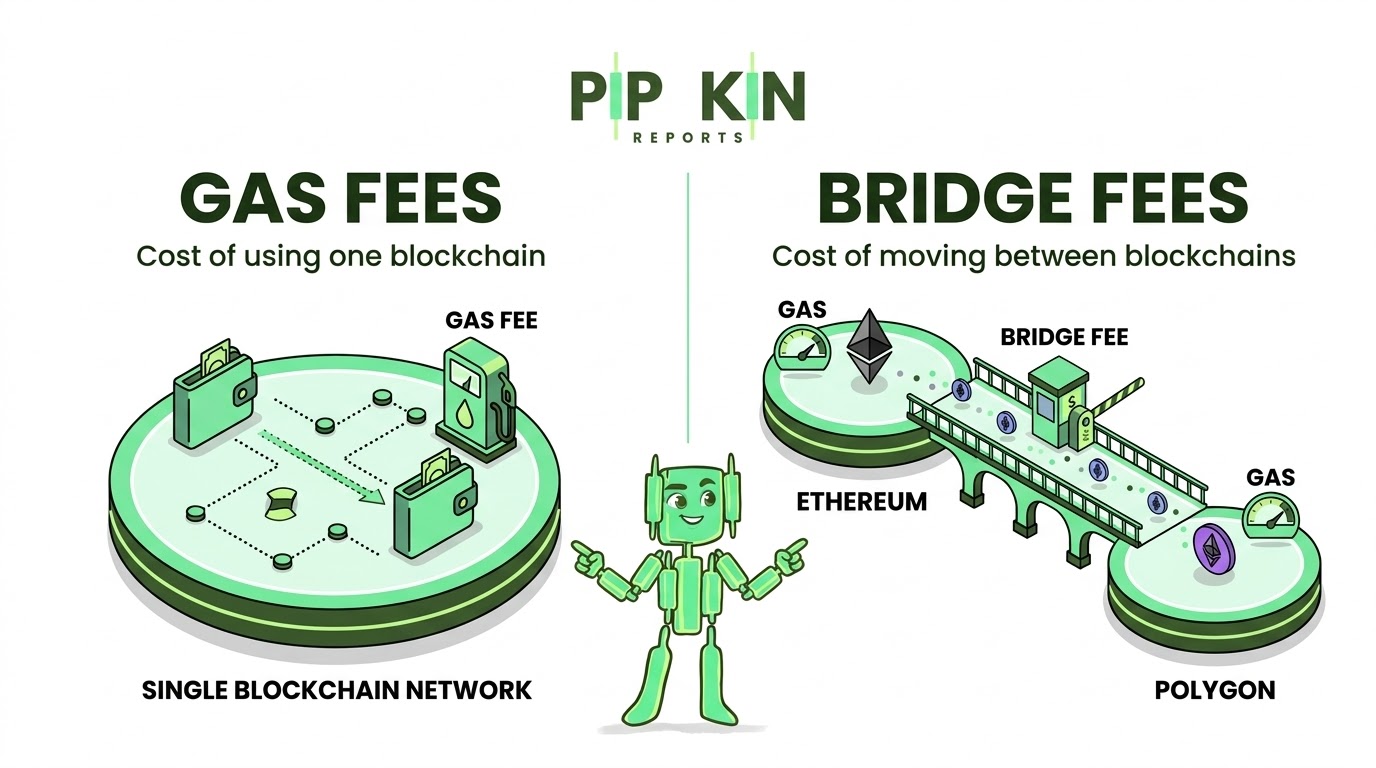
A bridge connects one blockchain to another, allowing you to move your digital assets across them. Maybe you have tokens on Ethereum and want to use them on Polygon. You cannot just copy and paste them; the systems are built differently. Instead, for this purpose, you use a bridge, a special service that helps move your tokens safely between the two.
However, like every other thing, bridge does not work for free. It charges bridge fees for using its network, just like that out-of-network ATM.
Bridge fees usually include:
- A service fee for the bridge operator.
- Network gas on both sides (since you’re dealing with two blockchains).
- Small handling costs for wrapping or unwrapping tokens.
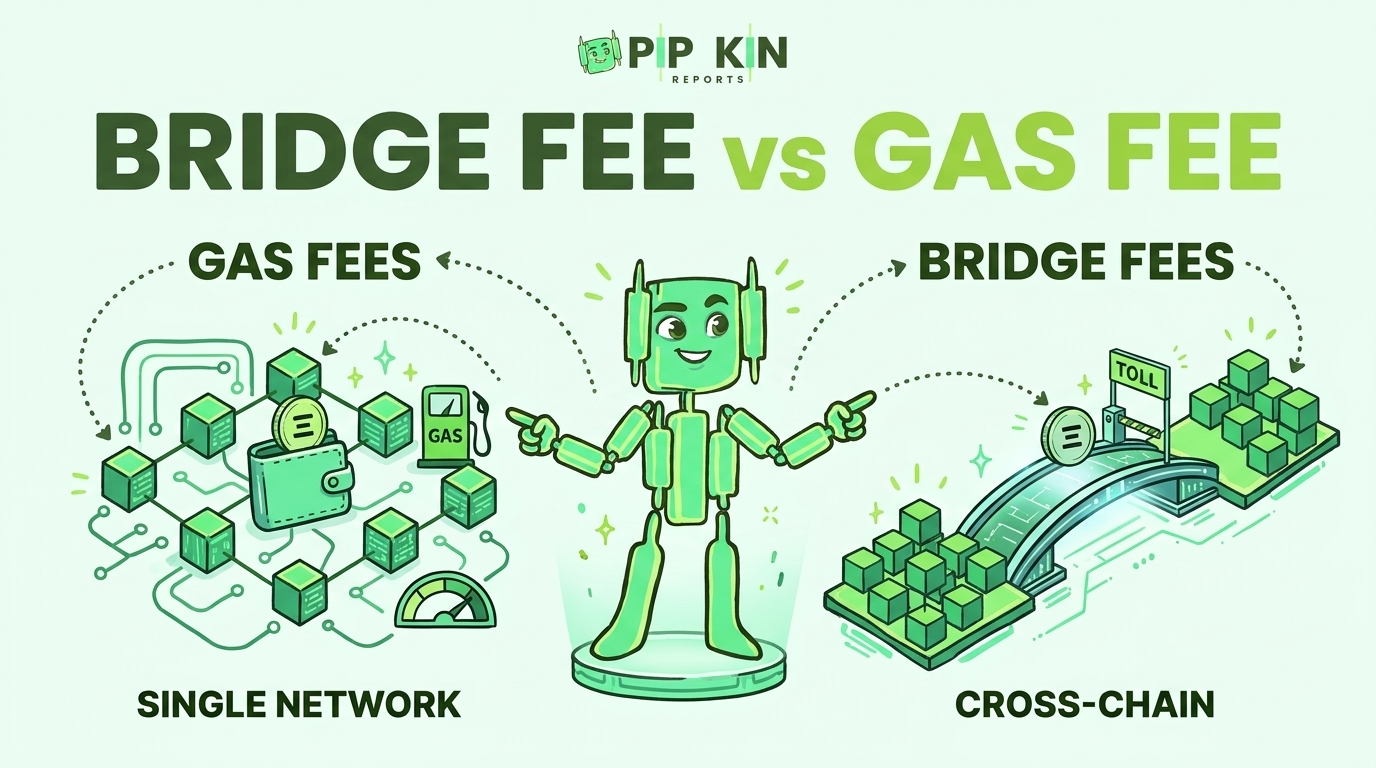
Therefore, if gas fees are the cost of making a transaction, bridge fees are the cost of crossing between blockchains.
It’s like withdrawing money abroad. You get your cash, but it goes through two systems including the foreign bank and your own, and both take a cut.
Bride Fee Vs Gas Fee: A Side-by-Side Comparison
To keep it simple, here’s how the two stack up:
| Feature | Gas Fees | Bridge Fees |
| Purpose | Pay for actions inside one blockchain | Pay for moving assets between two blockchains |
| Who Gets Paid | Validators or miners | Bridge operators and connected networks |
| When You Pay It | Every transaction (send, swap, mint) | Every time you transfer between chains |
| Example | Sending ETH on Ethereum | Moving ETH from Ethereum to Polygon |
| Typical Cost | Changes with network traffic | Varies by bridge and both chains’ gas fees |
In short:
- Gas fees keep your car running on one road.
- Bridge fees let you cross into another highway.
Both matters! However, they are two different tolls for two different parts of your journey.
Why the Difference Matters
Now, you might wonder, “Okay, but why should I care?”
Well, imagine checking your ATM balance after traveling abroad and seeing small fees eaten away at every transaction. Over time, they add up. The same happens in crypto.
If you do not understand which fees apply, you might end up paying more than you expected.
Let’s say you move $100 worth of tokens through a bridge. The Ethereum gas fees plus the bridge’s own charge might take $8–10 off that amount. Therefore, money disappears before your tokens even reach the next chain.
For everyday users, this means:
- Planning ahead matters.
- Choosing the right bridge can save you money.
- Waiting for lower network traffic can help reduce gas costs.
For developers, the difference shapes how apps are built. If gas fees are high, people avoid using certain chains. If bridge fees are too steep, users might skip cross-chain features.
So, developers try to make transactions cheaper and bridges faster. Some build Layer 2 networks to cut gas costs. Others design multi-chain bridges that handle transfers at lower fees.
Here’s an easy way to think about it:
- Gas fees decide how smooth your ride is.
- Bridge fees decide how far you can go.
When both are low, blockchain feels seamless. However, when both climb, users feel the pinch. That is why understanding them is not just smart, rather it is practical.
Wrapping Up
In the early days of mobile phones, people counted their minutes. Every extra call or message meant another charge. Blockchain is not much different, you pay for every action you take.
Gas fees keep things running inside one network. Bridge fees help you move between networks.
Furthermore, they are parts of the same system, just serving different roles. One fuels the engine; the other opens the gates.
So, before you send your next token or make a bridge transfer, pause for a second. Check both costs. Because, just like phone bills or ATM charges, a few small fees can quietly add up over time.
Understanding the difference between what is a gas fee and bridge fee means you spend smarter, and that is always worth it.