Have you ever been in a classroom where every student kept their own attendance sheet? Normally, the teacher writes down who is present or absent, and everyone accepts that list as correct. But what if, instead, every student kept the same sheet and updated it together? Whenever one student marked a change, everyone else’s sheet changed too. Could anyone cheat that way? Of course not, everyone would see the change at once.
What Is Distributed Ledger Technology (DLT)?
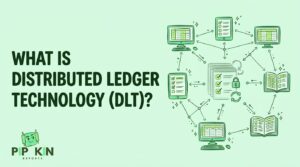
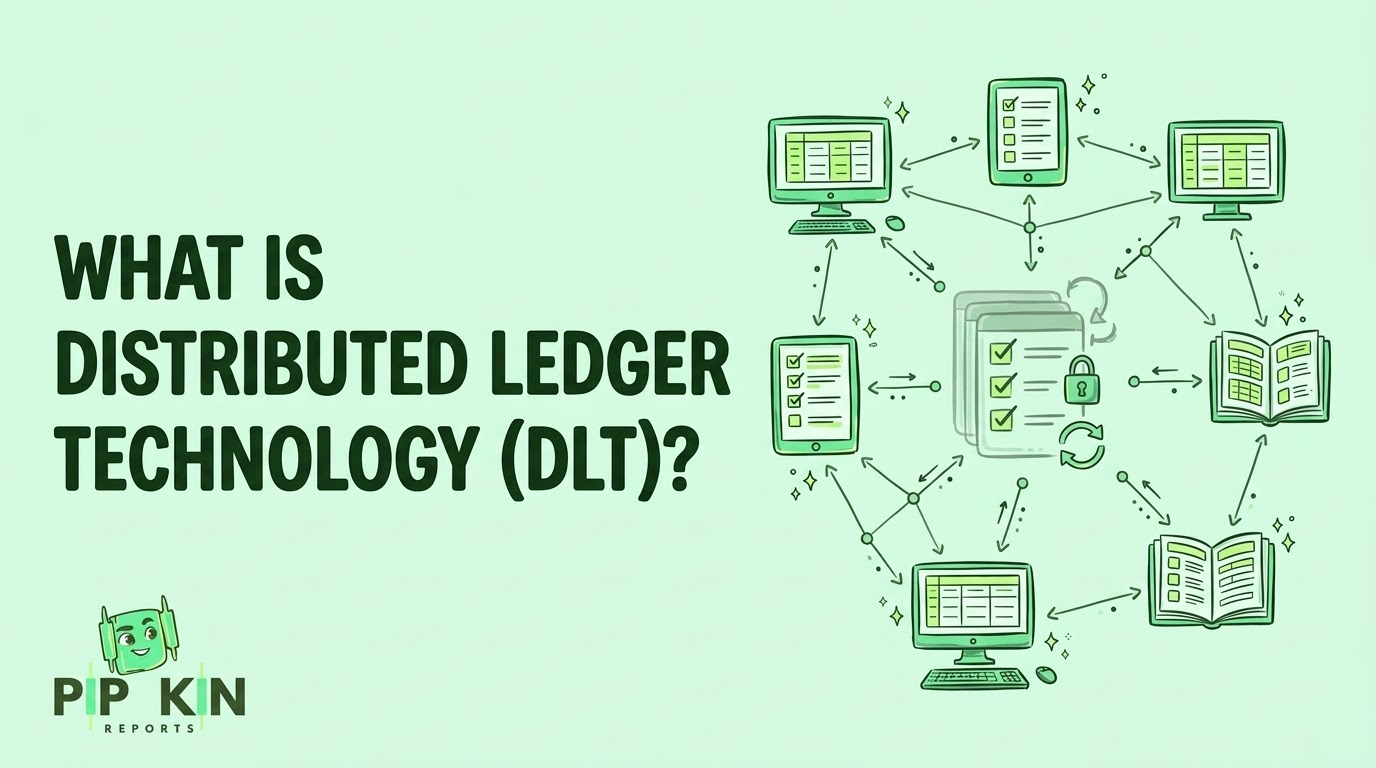
That simple picture helps explain Distributed Ledger Technology, or DLT. It works on the same idea of shared records and group trust. It is a system that stores and shares data across many computers, not just one. These computers, called nodes, each keep a full copy of the same information. Therefore, when one record changes, every other copy must agree before it becomes official. This way, the data stays the same everywhere.
In simple terms; instead of depending on one person or company, everyone in the system helps keep it correct. Each new entry is checked and confirmed by all users before it becomes permanent. As a result, no one can secretly change anything. Trust comes from the process itself, not from one authority.
You may wonder, where did this idea start? DLT became well-known with digital assets mainly currencies such as Bitcoin. However, it is now used far beyond that. Today, it plays a role in DeFi banking, trading, healthcare, and record keeping. In each of these areas, DLT helps people share and confirm information safely without needing to rely on a single source.
How Do Distributed Ledgers Work?
Now, how does DLT actually work?
Think of a notebook that many people can write in, but no one can erase. Every new line stays there forever, and everyone holds the same copy. This notebook is like a distributed ledger.
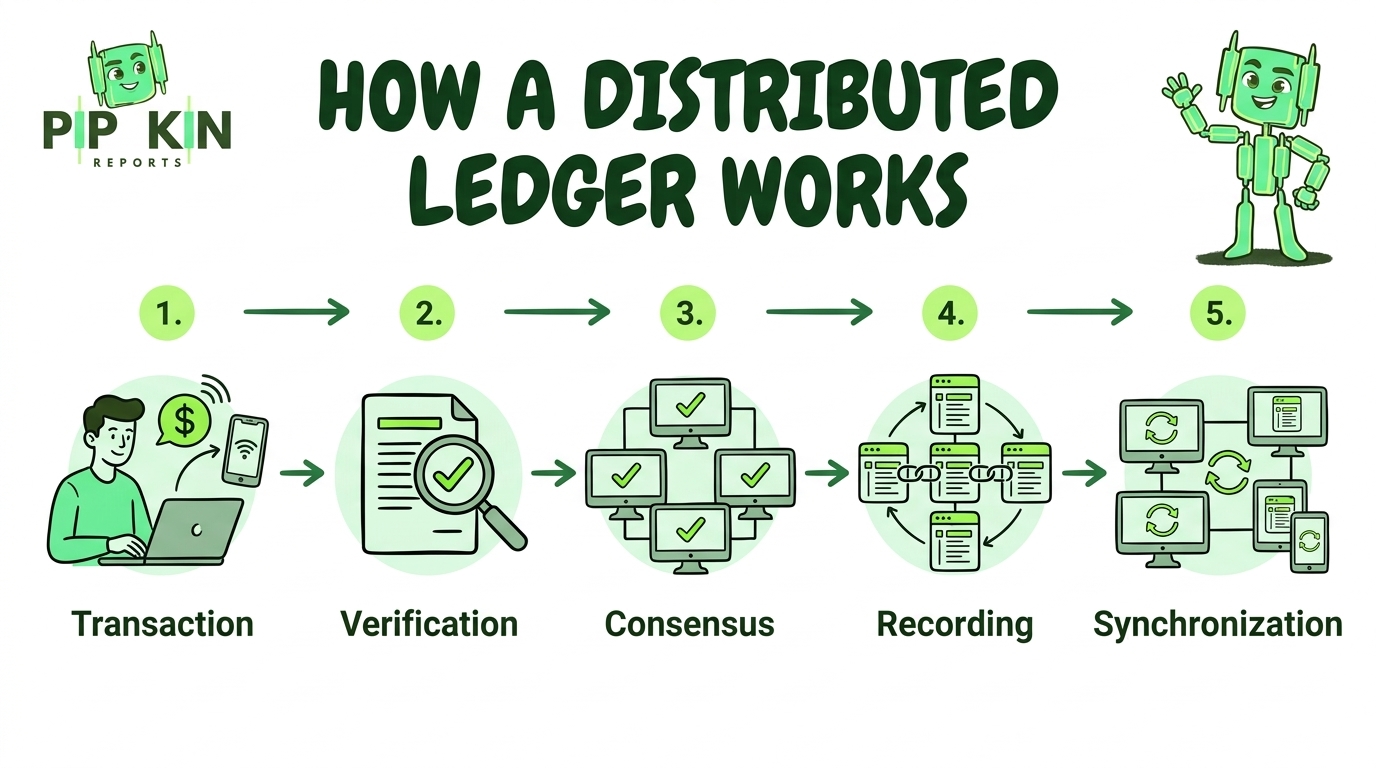
Process of DLT: Shared → Checked → Agreed → Stored → Synced → Locked
-
A transaction starts
It begins when someone adds a new record, for example, sending money or confirming a shipment.
-
The transaction is checked
Before it is added, the system checks if the record is valid. Does the sender have enough funds? Is the data correct?
-
The network agrees
Once these checks are complete, all computers in the network must agree that the record is real. This process is called reaching consensus.
Different systems use different ways to do this. Bitcoin uses “Proof of Work,” where computers solve problems to confirm data. Newer systems use “Proof of Stake,” which is faster and uses less energy. Some private setups use “Byzantine Fault Tolerance,” which focuses on agreement between trusted users.
-
The transaction is recorded
Once the record is approved, it becomes a permanent part of the system.
-
The ledger updates across the network
Every computer then updates its copy, keeping all records in sync. Therefore, everyone sees the same information, and nothing can be changed later.
Blockchain vs DLT
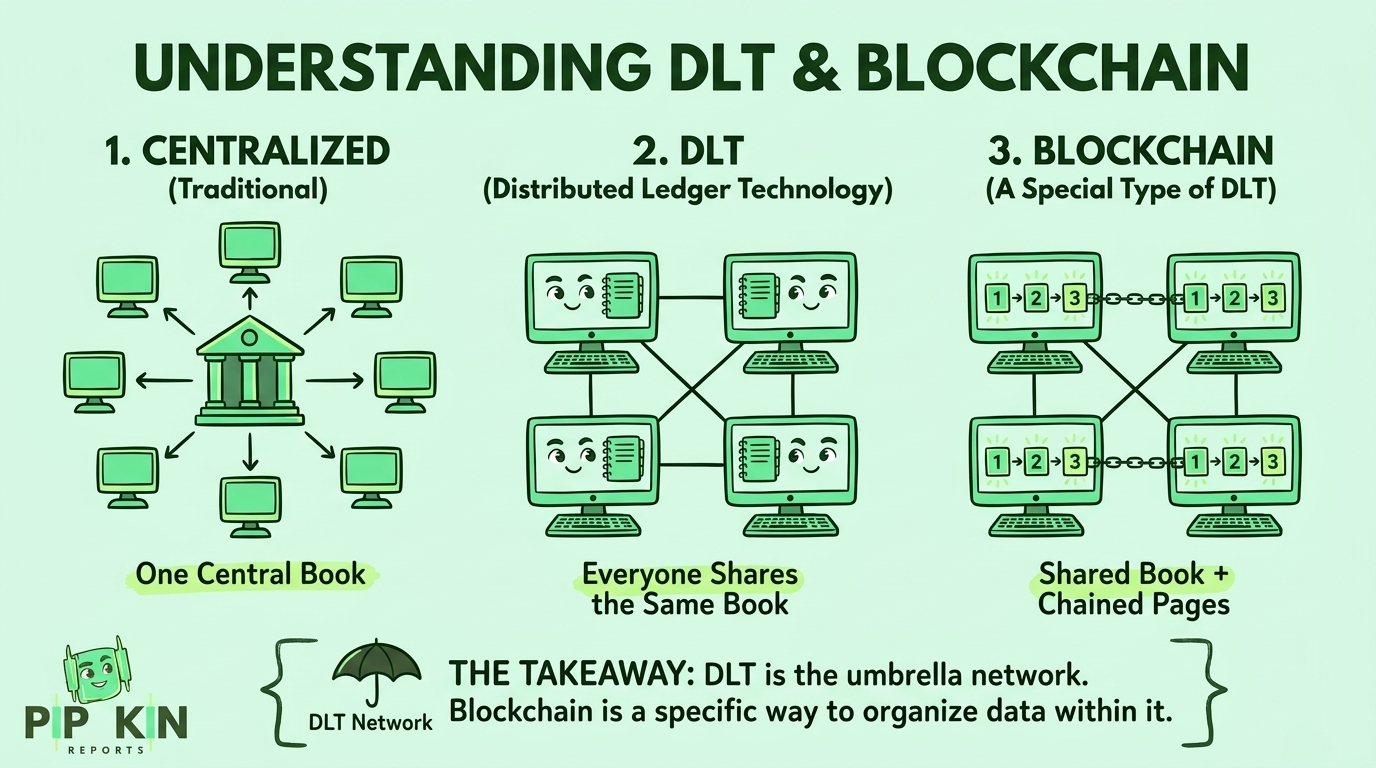
You might ask, is DLT the same as blockchain? Many people think so, but that’s not quite right. Blockchain is one type of distributed ledger, while DLT is a broader idea that includes many types.
Blockchain stores information in blocks that are linked in a straight chain. Each block connects to the one before it. DLT, on the other hand, can store data in other ways — not just in blocks. Therefore, every blockchain is a DLT, but not every DLT is a blockchain.
Because of this difference, DLT can be more flexible. It can be used for systems beyond digital money. For example, while blockchain mostly supports cryptocurrencies and smart contracts, DLT can also manage voting systems, supply chains, and digital identity programs.
| Feature | Distributed Ledger Technology (DLT) | Blockchain |
| Structure | Data shared across many computers in different ways | Data stored in blocks that form a chain |
| Consensus | Uses many types of agreement systems | Often uses Proof of Work or Proof of Stake |
| Flexibility | Can be public or private | Usually public but can be private |
| Scope | Covers all types of shared digital ledgers | One specific type of DLT |
| Use | Banking, supply chains, voting, identity systems | Cryptocurrencies and smart contracts |
In short, blockchain is one kind of DLT, but DLT is the larger umbrella.
All blockchains are DLTs, but not all DLTs need to be blockchains.
Benefits of DLT
So, what makes DLT so useful?
-
Trustworthy
First, it keeps everything open and reliable. Since everyone shares the same record, no one can hide or change data in secret.
-
Enhanced Security
Second, it makes systems harder to hack. Instead of one weak point, DLT spreads data across many computers. Therefore, a hacker would have to attack several machines at once, which is much harder.
-
Decentralization
Moreover, DLT removes the need for middlemen. People and companies can deal directly with each other without going through banks or brokers. As a result, transactions become faster, simpler, and cheaper.
-
Transparency & Auditability
It also helps with transparency. Every transaction stays recorded forever, so anyone can check the full history. Businesses can trust that the data they use is complete and unchanged. In addition, everyone can see updates instantly, without delay.
Limitations of DLT
Apart from offering advantages, DLT still faces a few problems.
-
Scalability Issues
What happens when thousands of transactions happen at the same time? The system can slow down because all computers must stay in sync.
-
Energy Consumption
Some networks, especially those using Proof of Work, also need large amounts of power. This makes them expensive and bad for the environment.
-
Regulation and Legal Uncertainty
Another issue is law and regulation. Many countries still do not have clear rules for DLT. Governments are trying to understand how to handle privacy, taxes, and data control. Therefore, progress in this area is still slow.
-
Data Privacy Conflicts
Privacy is also tricky. DLT is open by design, which means some private details might be visible. Finding the right balance between transparency and privacy remains a challenge.
-
Integration Challenges
Connecting DLT with old systems can also be difficult. Traditional databases were not made to work this way. Updating or linking them often costs time and money.
-
Governance and Control
Because DLT is not controlled by one central group, reaching agreement on changes can also take longer. However, developers are already improving it. They are creating new ways to make DLT faster and more efficient, using better methods that need less power.
All these efforts show that DLT is still developing. It may not be perfect yet, but its basic idea, shared control and open records, makes it stronger and more dependable than many older systems.
Wrapping Up
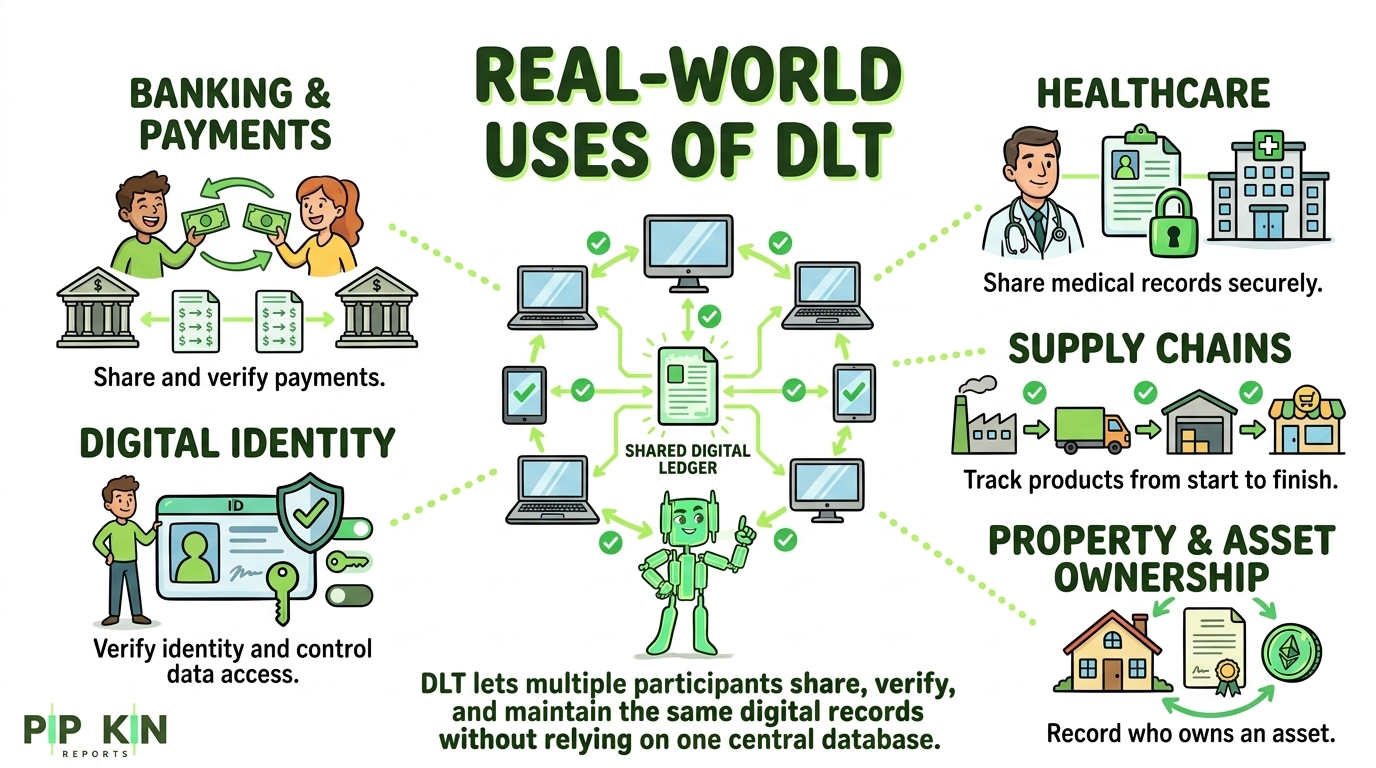
Today, DLT supports payment networks, medical records, transportation systems, and identity verification. Can you imagine a future where most public records or property titles are handled this way? It may sound far off, but progress is moving quickly.
However, before DLT becomes a standard tool, issues like speed, privacy, and clear rules must be solved. Once they are, DLT could become the foundation for safer and more connected digital systems.
In simple terms, DLT changes the meaning of trust. It removes the need for one main authority and replaces it with teamwork among users. Therefore, trust no longer depends on one person or company, it comes from the shared system itself.
And that simple shift in control may be the reason why Distributed Ledger Technology becomes one of the most important tools of the digital age.