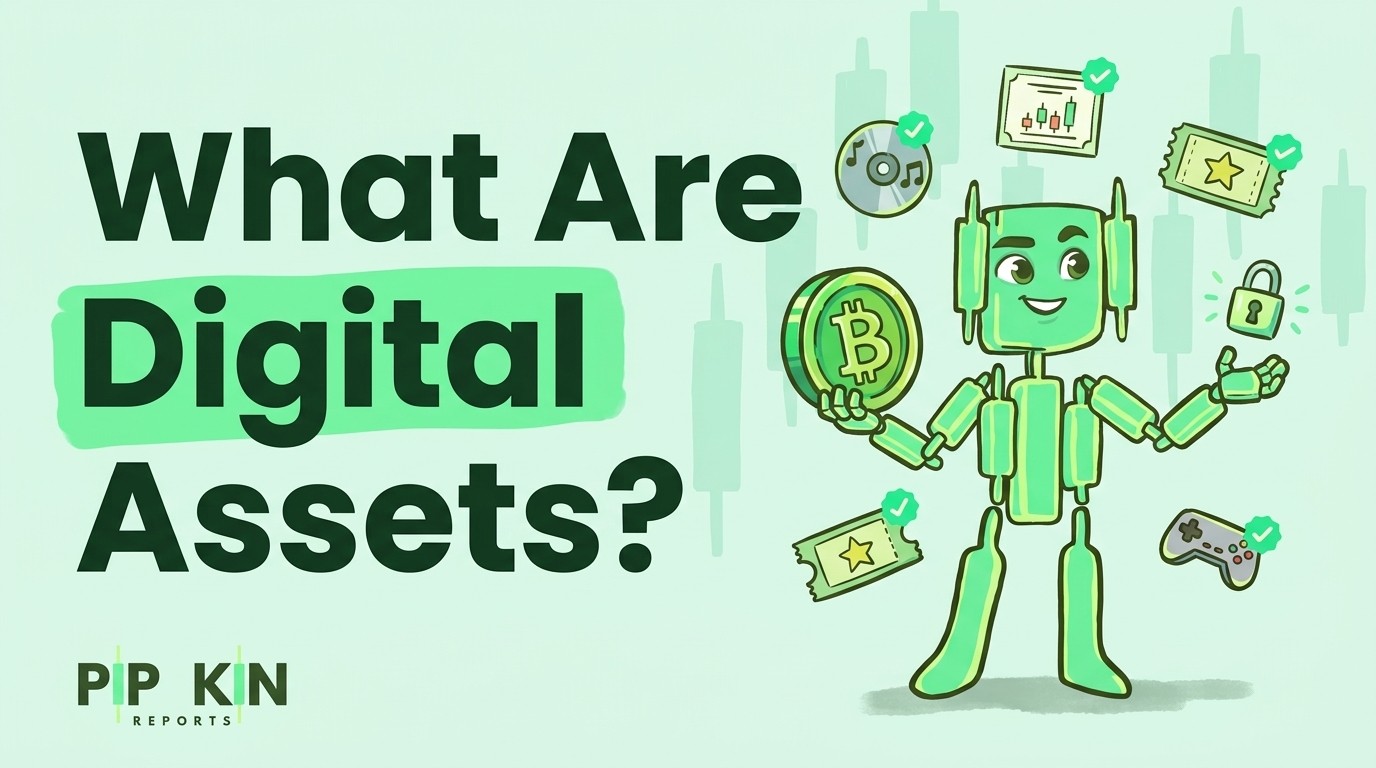
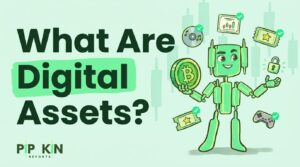
Every day we use items that exist only digitally. Your photos, music, bank balance, or online shares cannot be touched, yet they belong to you and have value. These items are called digital assets. They are not physical, but they can be stored, shared, and traded like real-world property. Instead of keeping valuable assets like cash in a safe, people now manage them through apps, platforms, and online systems. Hence, understanding digital assets is important even for someone who is not a tech expert.
What is a Digital Asset?
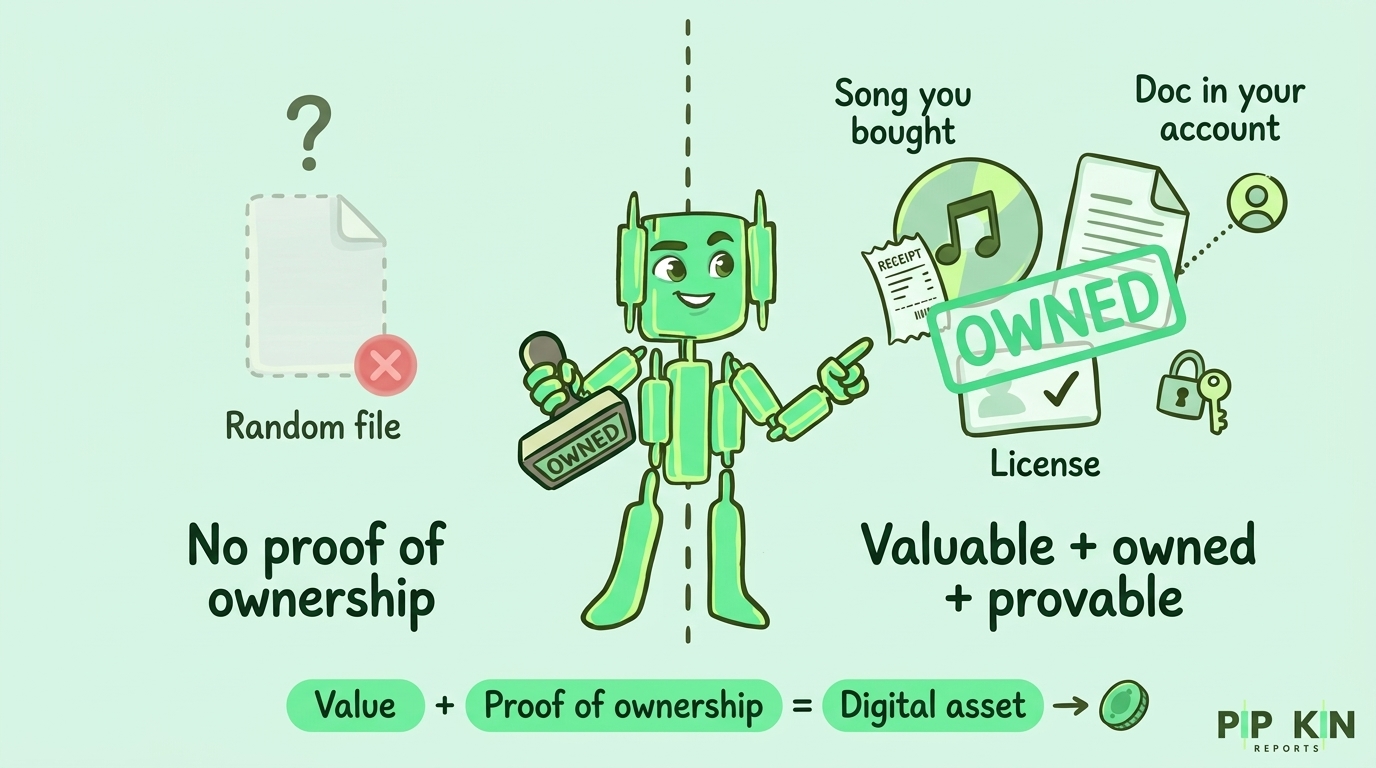
People wonder that, “what is a digital asset?” In simple terms, it is anything valuable stored electronically that someone owns. This value can be money, rights, or personal content. A random file on your computer does not count. Rather, a song purchased on a music app, or a document linked to your account, is a digital asset.
Ownership is the key factor. Without proof of ownership, an item cannot be considered a digital asset. Proof can be a license, a receipt, or a record stored on a system. Therefore, the difference between a regular file and a digital asset is the confirmation that it belongs to someone and can be used, shared, or traded.
Understanding Digital Assets
To fully understand these assets, it is important to look at how they are recorded and tracked. Every digital asset carries information that proves its uniqueness. This can include who created it, when it was created, or who currently owns it. For example, when you buy an e-book, your account shows proof of purchase. That record makes the book your digital asset. Similarly, music files, games, and crypto assets rely on information that shows who owns them. Moreover, systems such as digital asset platforms and blockchain technology ensure these records are secure and accessible. Instead of paper-based tracking, everything is stored electronically and updated automatically.
Types of Digital Assets
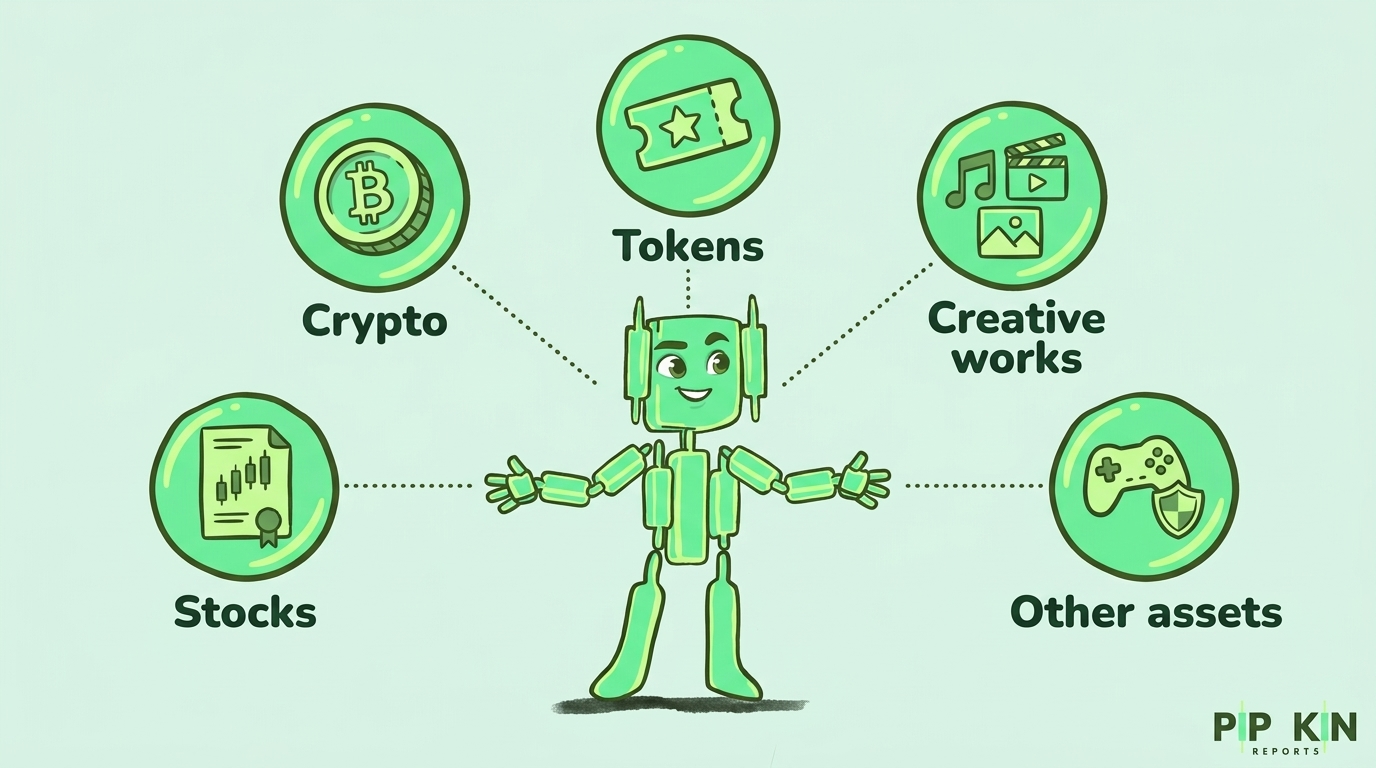
Digital assets exist in many forms, each serving different purposes. Here are some common examples:
- Crypto assets. If you wonder “is crypto a digital asset?” the answer is yes. Coins like Bitcoin or Ethereum exist only in digital form and can be traded online.
- Stocks and securities. Many ask, “is stock a digital asset?” Since most shares are now stored and transferred electronically, they count as digital assets.
- Digital asset tokens. These are like digital passes that give access to games, services, or events.
- Creative works. Music tracks, videos, e-books, domain names, and NFTs are all digital assets. They can be owned, traded, or shared.
- Other electronic assets. Logos, in-game items, and designs also qualify when linked to ownership.
Each type serves a different role. Some are primarily used for trading, while others are used for access, creative work, or online identity. Therefore, the digital asset market is diverse and expanding continuously.
Importance of Digital Assets
Digital assets are part of everyday life. They make payments easier and faster. The trading of some types of these assets including cryptocurrencies, lets people exchange tokens within seconds. Businesses use digital asset management to organize documents, videos, and logos efficiently. Artists and creators sell their work globally without relying on middlemen.
Moreover, digital assets save time and reduce the need for physical storage. Transfers that once took days now happen instantly through digital asset platforms. Records that once required cabinets are now stored safely on the blockchain systems. Investors can grow wealth, while ordinary users benefit from convenience and speed. Instead of relying solely on physical assets, people can now manage value digitally in ways that are practical and accessible.
Wrapping Up
So, what does digital assets mean in real life? It is the ownership of valuable items that exist only digitally. From crypto assets to music files, from stocks to domain names, digital assets come in many forms. Each has a purpose, but all share the same feature: proof of ownership.
People exploring digital assets or learning how to create digital assets are discovering how to manage value online. Digital assets are already in your playlists, photos, bank accounts, and trading apps. They affect how people save, share, and invest every day.
In this electronic era, these valuable items are not optional anymore. They are practical tools for everyday life and business. Therefore, learning how they work is useful for anyone. Rather than being abstract concepts, digital assets are active, functional, and part of how modern life operates.



3 Responses