
Imagine a castle wall built stone by stone. Each stone fits tightly with the one below it. For example, if one stone is removed, the wall could collapse. Similarly, each block in a blockchain is connected to the one before it. Once a block is added, it cannot be changed without affecting all other blocks. Therefore, this connection makes blockchain safe, honest, and tamper-proof.
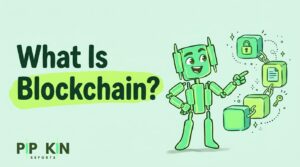
Blockchain is a digital ledger, which is like a notebook that records and stores information. Unlike banks or companies, blockchain technology does not rely on a single authority. Instead, trust is spread across many users. Moreover, everyone with a copy of the ledger can check it themselves. By the end of this article, you will understand why blockchain is a key technology for the modern digital world.
How Does Blockchain Work?
Blockchain gets its name from the way it stores information in blocks linking together to form a chain. As more data is added, the chain grows. Each block records when and in what order the information was added. In this way, it creates a permanent record that everyone in the network follows.
You can think of blocks like pages in a shared notebook. Every page must match everyone else’s copy. So, when someone adds a note, all copies update at the same time. No one can erase a page secretly.
Furthermore, each block has a hash, like a digital fingerprint, and the hash of the previous block. This links the blocks together and makes it almost impossible to change anything without everyone noticing. Hence, it keeps the blockchain safe and unchangeable.
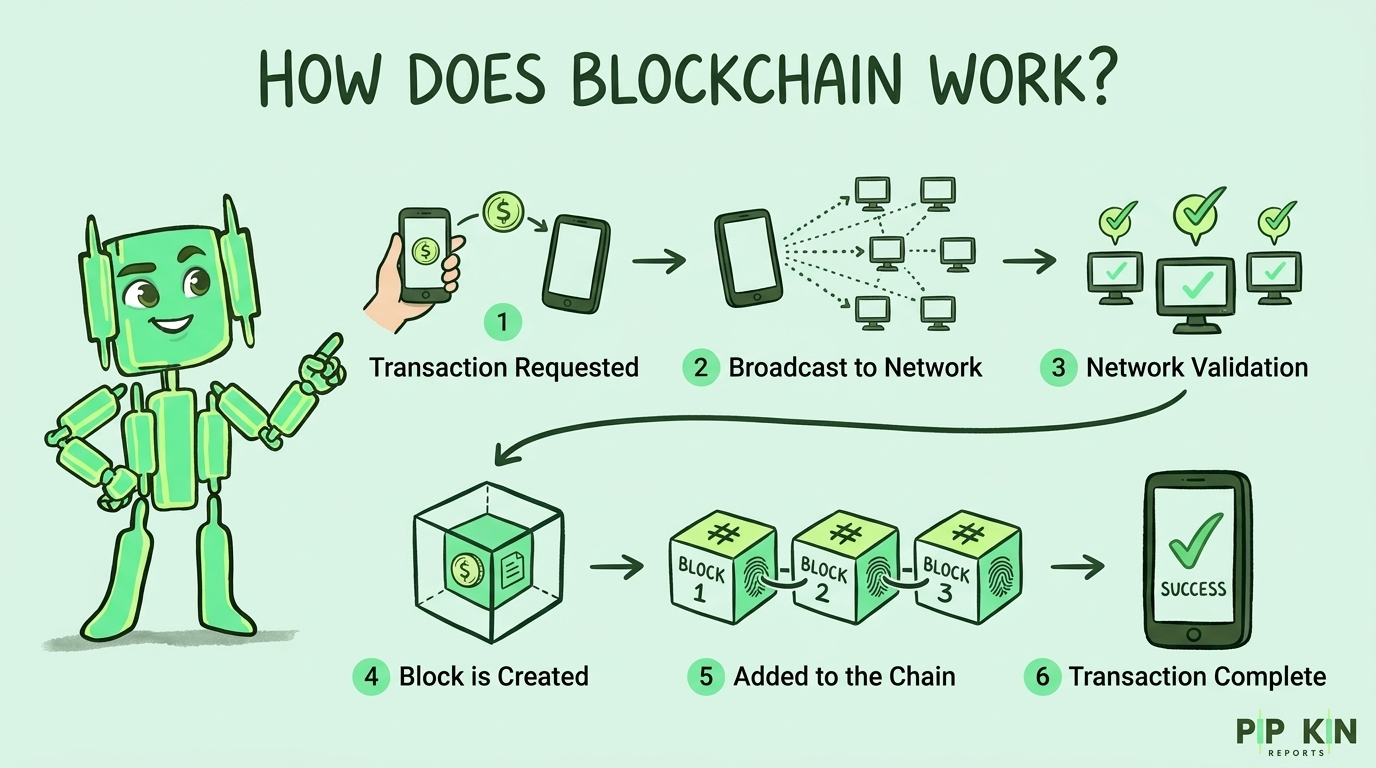
In general, blockchain works through a few main ideas.
- A shared ledger lets everyone on the network see and update the data, removing duplication and keeping records consistent.
- Permissions make sure only authorized participants can access and add information.
- Smart contracts are automatic rules that trigger actions when certain conditions are met.
- Consensus is the process where all participants agree the data is correct. Different blockchains use different consensus methods, such as Proof of Work, Proof of Stake, or practical Byzantine fault tolerance.
Meanwhile, blockchain networks also have different participants.
- Users can add and view data.
- Regulators oversee activity.
- Network operators manage and maintain blockchain.
- Certificate authorities handle the certificates needed for permissioned networks.
All of this together makes a system that is transparent, secure, and always verified, building trust without relying on a central authority.
Now that you know what does a blockchain do, let’s explore more.
Blockchain Transparency
Transparency is like a glass vault. Everyone can see inside, but they cannot change or steal anything from it. Blockchain works the same way. In other words, all participants can see transactions which prevents fake or hidden records.
Unlike traditional systems that rely on a central authority, blockchain lets everyone check the information themselves. This reduces the risk of mistakes or dishonest actions because no single person controls the records.
Transparency in blockchain also means past transactions are always visible. Every record is linked to the one before it with a unique hash, forming a secure chain. Anyone can use tools like Bitcoin Explorer or Ethereum Explorer to see these transactions in real time and verify that the data is correct.
Interestingly, not all blockchains are the same when it comes to transparency. Some allow anyone to see all transactions, while others focus on privacy, limiting what they can view but still keeping the data secure and verifiable. This way, blockchain balances transparency and privacy, protecting sensitive information without compromising trust.
Types of Blockchains
Not all blockchains work the same way; their design affects how they handle data.
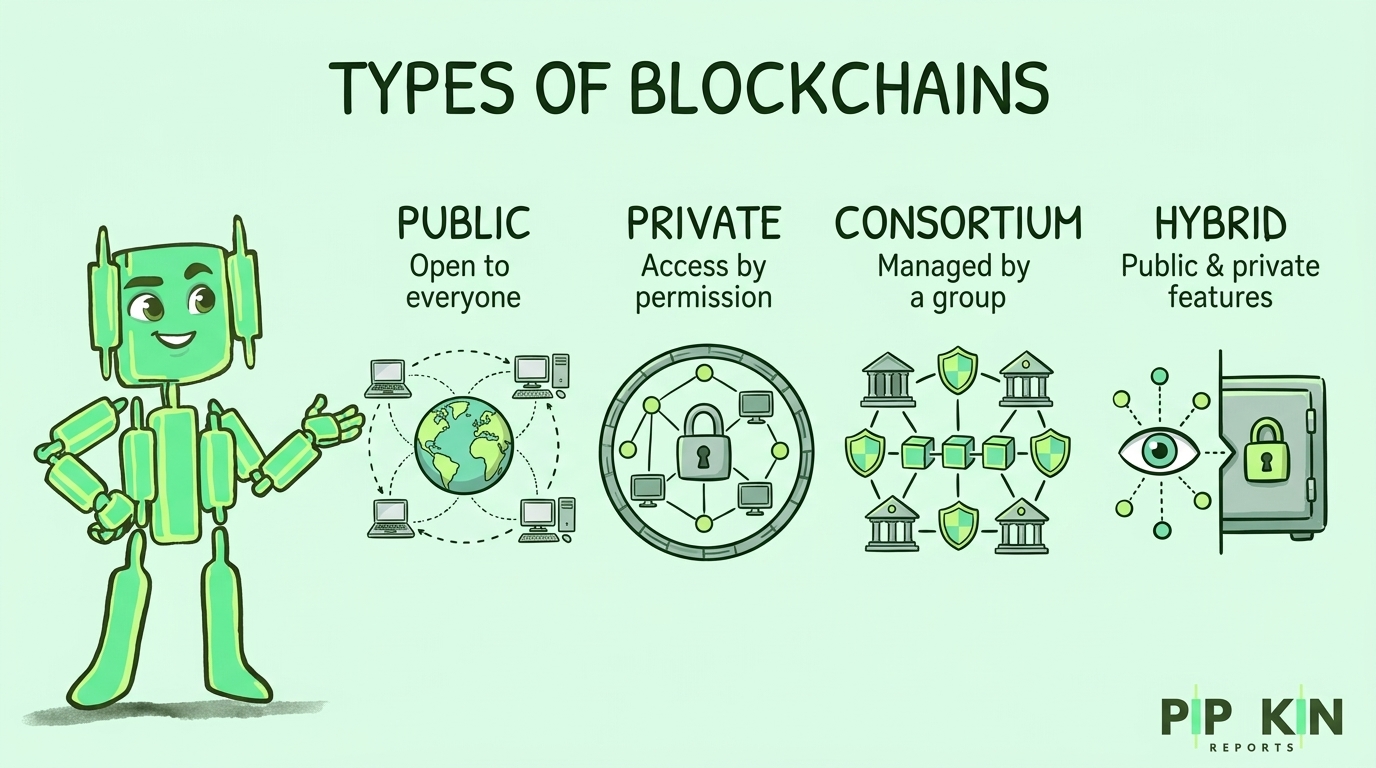
1. Public Blockchains
Public blockchains like Bitcoin and Ethereum are open to everyone. It means, that anyone can join, check transactions, or create applications on them. Hence, trust does not depend on one person or company because everyone can see the data. However, as this openness slows transactions, it uses more energy because every participant must agree before updates happen.
2. Private Blockchains
Private blockchains limit access to data to certain participants. Nestle, for example, uses a private blockchain to track food from farms to stores. Only approved users can see or add data. Therefore, transactions are faster, and sensitive information stays safe while still keeping trust among authorized participants.
3. Consortium Blockchains
Consortium blockchains are managed by a group of organizations rather than one company. Banks often use consortium blockchains like the R3 network to share records and settle payments. Moreover, shared control provides access to multiple trusted participants to work together without risking data, while private information stays protected.
4. Hybrid Blockchains
Hybrid blockchains mix public and private features. Some data is open to the public, while other private information stays restricted. To illustrate, a company might show shipment records to customers but keep financial details internal. Hence, hybrid blockchains not only give flexibility by letting organizations share some information but also keep other information private.
Understanding these types helps people choose the right blockchain. For example, a bank may use a consortium blockchain for secure cooperation, while a global cryptocurrency network works best on a public blockchain.
How Is Blockchain Used?
Blockchain is no longer just for cryptocurrencies. Interestingly, the way blockchains are built affects how they are used in real life. Let us see the functions and roles played by them in different sectors of life.
- In finance and payments, blockchain allows faster, cheaper, and more reliable transactions. International transfers that once took days can now happen in minutes using Bitcoin or Ripple. Therefore, removing middlemen reduces fees, delays, and mistakes while giving people direct control over their money.
- Similarly, in supply chains, blockchain tracks products from origin to store. Walmart uses it to trace food, which helps find problems or fraud quickly. Moreover, this transparency builds consumer trust and lets companies fix issues faster.
- In healthcare, blockchain technology stores patient records safely and lets hospitals, doctors, and insurers share them securely. Hence, patient data stays private, unchanged without permission, and quickly accessible by authorized people.
- Furthermore, universities can issue certificates and diplomas on blockchain. Records cannot be faked and can be checked instantly by employers or other institutions. Therefore, hiring and admission processes become easier and more reliable.
- Similarly, governments can improve land registration, identity verification, and voting. Blockchain makes records permanent and open to verification. Countries using blockchain for land registries reduce disputes because people can check records themselves.
- In real estate, smart contracts handle payments, ownership transfers, and documents automatically. Tokenized real estate lets multiple people safely own part of a property. Hence, transactions become faster, safer, and less likely to have mistakes or fraud.
- Moreover, in entertainment and gaming, blockchain proves ownership of digital assets. Gamers can trade in-game items safely, and artists can protect royalties for music or art. Therefore, it is not possible to copy or steal digital items without permission.
- Similarly, insurance companies can use smart contracts to pay claims automatically. Flight delay insurance, for example, can pay when a flight is canceled. Hence, payouts happen faster, manual work is reduced, and disagreements are less likely.
- Furthermore, in energy and sustainability, blockchain tracks renewable energy production and use. Households can sell extra solar energy directly to neighbors. Therefore, trading is fair, clear, and efficient without a central company controlling everything.
- Finally, charities and donations benefit too. Donors can see exactly how their money is spent. NGOs using blockchain for disaster relief ensure money reaches the right people. Hence, trust is higher, and fraud is lower.
Crypto vs Blockchain
Many people confuse blockchain and cryptocurrency. However, they are not the same. Blockchain is the system that records and protects information, while cryptocurrency is one type of digital asset built on it.
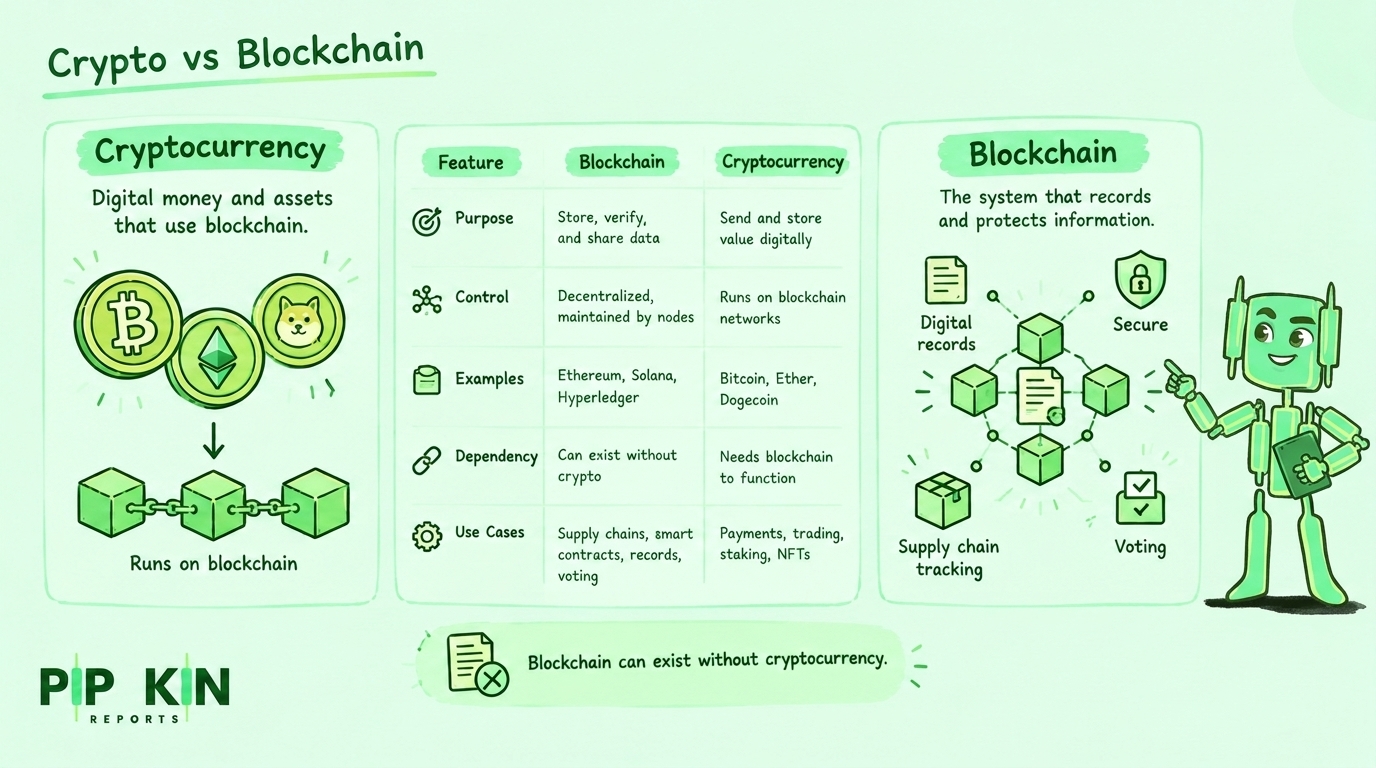
Blockchain can work without cryptocurrency. For example, Hyperledger is a blockchain platform used for supply chains, smart contracts, voting, and keeping records secure, all without having its own cryptocurrency.
Whereas cryptocurrencies like Bitcoin, Ether, and Dogecoin depend on blockchain to record transactions and prevent mistakes. Therefore, knowing the difference helps people understand how each works and avoids confusion.
Similarly, investing in blockchain companies is different from investing in cryptocurrencies. Cryptocurrencies can change value quickly, while blockchain systems provide long-term use through applications, contracts, or business solutions.
| Feature | Blockchain | Cryptocurrency |
| Purpose | Store, verify, and share data | Send and store value digitally |
| Control | Decentralized, maintained by nodes | Runs on blockchain networks |
| Examples | Ethereum, Solana, Hyperledger | Bitcoin, Ether, Dogecoin |
| Dependency | Can exist without crypto | Needs blockchain to function |
| Use Cases | Supply chains, smart contracts, records, voting | Payments, trading, staking, NFTs |
How Do You Invest in Blockchain?
Investing in blockchain is not just buying Bitcoin. Instead, there are several ways to get involved.
- Buying cryptocurrencies like Bitcoin, Ether, Solana, or Polygon lets you invest directly in digital tokens. Their value can grow as more people use the networks.
- Investing in blockchain companies such as Coinbase, Block, or IBM Blockchain allows you to profit from using the technology rather than token prices. Furthermore, ETFs and funds that include several blockchain companies or tokens spread risk, making it safer for beginners.
- Similarly, staking and yield farming let people lock tokens to help the network while earning rewards. This provides passive income while supporting the system.
- Investing in NFTs and digital assets is another option. Blockchain proves ownership, and rare or popular items can increase in value.
- Finally, blockchain startups offer high-risk, high-reward opportunities. Early investors can earn more if the project succeeds, but failure is possible.
Therefore, studying the technology, team, rules, and market trends is important before investing.
Wrapping Up
Blockchain is like digital glass, transparent, solid, and built to last. It reflects truth in every transaction and makes trust something you can actually see. What started as a foundation for cryptocurrencies has grown into a system that secures identities, streamlines supply chains, and redefines how we exchange value.
Its blocks don’t just store data; they store confidence. They connect people, businesses, and systems that may never meet but can still trust one another. That’s the real power of blockchain: it doesn’t ask you to believe; it lets you verify.



One Response